

Mold is a common household issue that can affect the health of your family and the structural integrity of your home. By taking proactive steps to prevent mold growth and knowing how to address it effectively, you can maintain a safe and healthy living environment. Below are five essential tips to help you manage mold in your home.
1. Control Indoor Humidity Levels
- Use a dehumidifier: Ensure indoor humidity levels stay below 50%.
- Ventilate properly: Open windows or use exhaust fans in areas prone to moisture, such as bathrooms and kitchens.
- Monitor temperature fluctuations: Avoid overly warm or stagnant air conditions that encourage condensation.
Regularly checking humidity levels using a hygrometer can help you stay on top of this issue.
2. Fix Leaks Promptly
- Inspect plumbing fixtures for signs of dripping or pooling water.
- Repair damaged roofing materials immediately after storms.
- Ensure seals around bathtubs, sinks, and appliances like dishwashers are intact.
Timely action will prevent moisture from accumulating in areas susceptible to mold colonization.
3. Clean and Dry Wet Areas Immediately
- Mop up spills on carpets or wooden floors promptly.
- Wipe down bathroom walls after showers or baths.
- Use fans to dry out areas with poor airflow.
For larger issues such as flooding, consider professional water extraction services for thorough drying.
4. Use Mold-resistant Building Materials
| Product Type | Benefits |
| Mold-resistant drywall | Contains additives that inhibit fungal growth |
| Paint with anti-microbial properties | Prevents spores from settling on surfaces |
| Sealed grout | Reduces moisture seepage into tile joints |
These materials are especially useful in high-moisture zones like bathrooms and basements.
5. Regular Inspections and Maintenance
- Examine window sills, corners of walls, and behind furniture for discoloration or musty odors.
- Check HVAC systems for moisture buildup that could lead to hidden mold colonies.
- Schedule annual roof inspections to detect undetected leaks.
By staying vigilant about maintenance tasks, you can catch small issues before they become costly repairs involving widespread mold removal.
Effective Mold Remediation Lakeland, FL: Ensuring Safety and Cleanliness
- Wear protective gear such as gloves, goggles, and an N95 mask during cleanup.
- Avoid mixing cleaning chemicals as this could release harmful fumes.
- Discard porous materials like carpets if they have significant contamination since they cannot be fully cleaned.
For significant infestations covering more than 10 square feet or involving toxic black molds (e.g., Stachybotrys chartarum), seek assistance from certified professionals who follow industry-standard protocols for remediation.
By implementing these strategies proactively along with proper attention when dealing with visible infestations, you’ll create a safer living space free from harmful molds while protecting your property’s value over time.
Effective Lakeland, FL Mold Removal: Why Professional Cleaning Matters
Mold growth in a home can pose serious health risks and structural damage if not addressed promptly and effectively. While some homeowners may attempt DIY mold removal, professional cleaning services often provide the expertise, tools, and techniques necessary for thorough remediation. Here’s why professional cleaning is vital when dealing with mold.
Understanding the Importance of Professional Mold Testing Lakeland, FL
Although small patches of mold may seem manageable for homeowners, there are several challenges with attempting to handle mold removal on your own:
– Hidden Mold Growth: Mold can spread to areas not visible to the naked eye, such as behind walls or beneath flooring. Without proper equipment, these hidden colonies can go undetected.
– Inadequate Tools: Household cleaning supplies aren’t always sufficient to address extensive or toxic mold infestations. Professionals use specialized tools like HEPA vacuums and industrial-grade dehumidifiers that ensure more thorough results.
– Health Risks: Disturbing mold without proper precautions—such as wearing protective gear—can release spores into the air, exacerbating respiratory issues or other health concerns.
Advantages of Lakeland Mold Removal Services
- Experts begin by performing detailed inspections to locate all sources of mold growth.
- Air quality testing may be conducted to identify the concentration of airborne spores.
- Professionals tailor their approach based on the type of mold (e.g., black mold requires specific treatment methods).
- Their process includes containment measures to prevent further spread during removal.
- Industrial-strength antimicrobial solutions are used to disinfect affected areas thoroughly.
- Use of negative air machines ensures spores don’t contaminate other parts of your home during remediation.
- Trained technicians wear personal protective equipment (PPE) to safely handle toxic molds.
- Proper ventilation systems are used during cleanup to reduce exposure risks for household members.
- After cleanup is completed, professionals often provide guidance on how to prevent future outbreaks through moisture control and maintenance tips.
Comparing DIY vs Professional Cleaning
| Factors | DIY Approach | Professional Cleaning |
| Equipment Used | Basic household supplies | Specialized tools like HEPA vacuums |
| Effectiveness | Limited; may miss hidden mold | Comprehensive detection & removal |
| Risk Level | Higher due to lack of proper training | Lower thanks to safety protocols |
| Cost | Lower upfront cost | Higher upfront cost but more reliable |
Final Thoughts
Effective mold removal requires more than just surface-level cleaning—it demands expertise in detecting hidden colonies, using appropriate tools, and implementing safety-compliant methods. By opting for professional services, homeowners can ensure a cleaner living environment while reducing health risks and long-term structural damage caused by unchecked mold infestations.
How to Address Household Mold with Expert Removal Techniques
When it comes to tackling household mold, utilizing expert removal techniques can make a significant difference in ensuring the safety and health of your living environment. Mold can cause structural damage to your home, while also posing serious health risks such as respiratory issues and allergies. Below is a comprehensive guide on how to properly address mold using expert approaches.
1. Identify the Source of Moisture
The first step for effective mold removal is identifying and addressing the root cause: moisture. Mold thrives in damp environments, so pinpointing areas prone to excess moisture is essential.
- Inspect for leaks in plumbing, roofs, or windows.
- Check for condensation around cooling units and ventilation systems.
- Evaluate basement areas or crawl spaces for water damage or pooling.
By addressing these issues at their source, you can prevent further mold growth after removal.
2. Containment of Affected Areas
- Use plastic sheeting (6-mil polyethylene) to seal off affected spaces.
- Turn off HVAC systems during cleaning to halt the spread of mold spores.
- Place negative air machines with HEPA filters near containment zones.
Proper containment minimizes cross-contamination risks while ensuring a safer environment during cleanup procedures.
3. Use Specialized Tools and Equipment
| Tool/Equipment | Purpose |
| HEPA Vacuums | Capture microscopic spores and debris |
| Air Scrubbers | Filter airborne particles |
| Dehumidifiers | Reduce humidity levels |
| Antimicrobial Cleaners | Kill existing mold colonies |
These tools provide reliable results that DIY methods or household cleaners may not achieve.
4. Perform Safe Removal Methods
- Wear personal protective equipment (PPE) such as gloves, masks (N95 respirators), goggles, and coveralls.
- Remove porous materials like drywall, insulation, or carpet if they cannot be thoroughly cleaned.
- Use appropriate cleaning agents designed specifically for mold remediation on nonporous surfaces like tiles or metal fixtures.
It’s important not to scrape dry mold as this can release spores into the air—professional teams often dampen surfaces before cleaning them.
5. Address Ventilation Issues
- Install exhaust fans in bathrooms, kitchens, and laundry rooms.
- Regularly inspect ventilation ducts for blockages or dirt buildup.
- Open windows periodically to circulate fresh air throughout your living space.
Improved airflow helps control humidity levels while reducing conditions where molds thrive.
6. Conduct Post-Cleanup Testing
After completing the remediation process, professionals often recommend post-cleanup testing by a certified industrial hygienist (CIH). This ensures that all traces of harmful spores have been effectively removed from your home environment.
- Air sampling tests to detect airborne spore concentrations.
- Surface swab tests on previously contaminated materials.
- Verifying humidity levels remain below 60% indoors.
Post-testing provides peace of mind that the issue has been fully resolved while offering actionable data if further steps are necessary.
Using expert techniques for household mold removal safeguards both your property’s integrity and your family’s health over time. By combining proper identification methods with professional-grade equipment and services, you can ensure long-term results free from recurring growth challenges.
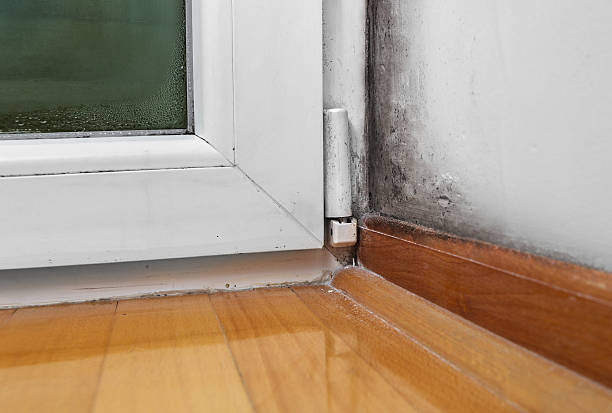
How to Address Household Mold with Expert Removal Techniques
Mold is not just an unsightly problem; it can also pose significant health risks and lead to structural damage if left unaddressed. Dealing with mold effectively requires a strategic approach that incorporates expert removal techniques. Below, we explore actionable methods and insights on how to manage household mold using proven strategies.
1. Identify the Source of the Mold
- Leaking pipes or roofs
- Poor ventilation in bathrooms or kitchens
- Flooding or water damage
- Condensation on windows or walls
Once you locate the moisture source, address it immediately to prevent further mold development. Without eliminating the underlying issue, even expert removal efforts may only provide temporary relief.
2. Use Proper Safety Measures
- Wear protective gear such as gloves, goggles, and an N95 respirator mask.
- Isolate the affected area by sealing doors and vents with plastic sheeting.
- Turn off HVAC systems during removal to avoid spreading spores.
Professional mold remediation services often follow these same precautions but at a higher level of precision.
3. Choose Effective Cleaning Solutions
| Surface Type | Recommended Solution | Notes |
| Nonporous (e.g., tile) | Bleach solution (1 cup bleach per gallon of water) | Disinfects and removes visible growth |
| Porous (e.g., drywall) | Must be replaced entirely | Mold can penetrate deeply |
| Wood | Distilled white vinegar or borax | Prevents spores from regrowing |
Use soft brushes for scrubbing nonporous surfaces and dispose of any rags or sponges used during cleanup.
4. Employ Professional Equipment When Needed
- HEPA vacuums: Capture airborne spores without releasing them back into your home.
- Air scrubbers: Help purify indoor air during remediation.
- Dehumidifiers: Reduce moisture levels in affected spaces, preventing further growth.
Hiring trained professionals ensures that advanced tools are used correctly for maximum effectiveness.
5. Prevent Future Mold Growth
- Fix water leaks promptly.
- Improve ventilation by using exhaust fans in areas prone to humidity.
- Regularly clean gutters and direct water away from your home’s foundation.
- Use a dehumidifier if your home has high humidity levels (above 60%).
- Inspect susceptible areas like basements regularly for early signs of moisture buildup.
By combining expert techniques with preventive actions, you can safeguard your home against recurring issues while maintaining a healthy living environment.
Taking proactive steps ensures both effective removal of existing mold and long-term prevention strategies that protect your household’s well-being and property value over time.
5 Essential Tips for Preventing and Dealing with Household Mold Growth and Removal
Mold can pose serious health risks and compromise the structural integrity of your home. Preventing mold growth and addressing it promptly is essential to maintaining a healthy, safe living environment. Below are five essential tips to help prevent and manage household mold effectively.
1. Control Humidity Levels
Excess moisture creates an ideal environment for mold growth. Proper humidity control is a key preventative measure:
– Maintain indoor humidity levels: Keep indoor humidity levels between 30%-50%. Use a hygrometer to monitor these levels.
– Ventilate properly: Ensure proper ventilation in high-humidity areas such as bathrooms, kitchens, and basements by using exhaust fans or opening windows.
– Dehumidifiers: In damp spaces like basements, use dehumidifiers to reduce moisture and prevent mold proliferation.
2. Fix Leaks Immediately
Water leaks are one of the most common causes of mold growth:
– Inspect plumbing systems regularly for leaks in pipes, faucets, or appliances such as dishwashers and washing machines.
– Check your roof for leaks after heavy rainstorms or snowstorms. Address missing shingles or damaged flashing promptly.
– Examine areas prone to condensation, like windowsills, and wipe away moisture routinely.
3. Clean Surfaces Regularly
Routine cleaning helps remove potential food sources for mold spores:
– Use mold-inhibiting cleaners in bathrooms and kitchens where water exposure is frequent.
– Pay attention to overlooked areas such as under sinks or behind furniture along exterior walls where airflow may be restricted. – Remove dirt and debris that can trap moisture over time.
4. Address Mold Growth Promptly if it Occurs
If you spot signs of mildew or mold (e.g., discoloration on walls or musty odors), act quickly before it spreads:
– Wear protective gear such as gloves, goggles, and an N95 mask while cleaning visible mold patches. – Clean small areas (less than 10 square feet) with a solution of water and detergent or vinegar but avoid mixing chemicals like bleach with other cleaners as this can produce harmful fumes. – For larger infestations or persistent issues, consult professional remediation experts who have the tools necessary to remove mold safely.
5. Ensure Proper Ventilation During Renovations
Renovation projects can create conditions conducive to mold growth due to increased dust particles and changes in airflow:
| Step | Why It’s Important | Action | |—————————|———————————————————-|—————————————————–| | Seal workspaces | Prevents dust from spreading throughout your home | Use plastic sheeting to isolate renovation zones | | Dry materials immediately | Stops moisture buildup on construction materials | Store drywall/wood in dry areas before installation | | Install proper ventilation| Reduces trapped humidity during painting/plastering stages| Use fans/exhaust systems during renovations |
By following these essential steps—managing humidity, addressing water issues efficiently, maintaining cleanliness routines, tackling existing problems early on, and safeguarding homes during renovations—you will significantly reduce the risks associated with household mold growth while ensuring long-term safety indoors.
The Role of Proper Replacement Services in Preventing Future Mold Issues
When it comes to combating mold, addressing the root cause is crucial. While mold removal is an essential step, preventive measures like proper replacement services can significantly reduce the risk of future mold growth. This section explores how prioritizing replacement services for damaged or contaminated materials can safeguard your home and promote a healthier living environment.
Why Replacement Services Matter for Mold Prevention
- Drywall: Porous drywall often absorbs moisture and becomes a breeding ground for mold spores.
- Insulation: Fiberglass or cellulose insulation holds moisture and may harbor hidden mold colonies.
- Carpeting: Once soaked, carpets and padding are difficult to dry completely and may retain contaminants.
By replacing these compromised materials with new ones, you eliminate potential hotspots for recurring mold problems.
Materials That Often Require Replacement
| Material | Reason for Replacement | Recommended Alternatives |
| Drywall | Absorption of water and deep-seated mold growth | Mold-resistant drywall (green board) |
| Carpeting | Difficult to clean thoroughly | Non-porous flooring (tile or vinyl) |
| Insulation | Retains moisture and fosters hidden colonies | Closed-cell spray foam insulation |
| Wooden Baseboards | Warped or discolored from prolonged exposure | Plastic or composite baseboards |
| HVAC Filters | Contaminated with spores from air circulation | High-efficiency particulate filters |
Replacing these components not only addresses existing damage but also sets up a more resilient environment that discourages future mold development.
Benefits of Professional Replacement Services
- Expert Inspection: Professionals can identify hidden damage behind walls, under floors, or in ceilings that might go unnoticed during DIY repairs.
- Proper Installation: Incorrectly installed replacement materials can result in gaps or seams where moisture can accumulate.
- High-quality Materials: Experts typically use industry-standard materials designed to resist moisture buildup and minimize future risks.
Additional Steps After Replacing Materials
- Use dehumidifiers in high-moisture areas like basements or bathrooms.
- Keep indoor humidity levels between 30%–50%.
- Install exhaust fans in kitchens and bathrooms to expel excess moisture.
- Open windows when possible to allow fresh air circulation.
- Apply waterproof coatings on basement walls or foundations prone to seepage.
- Seal leaks around windows, roofs, or plumbing fixtures promptly.
- Inspect your home annually for signs of water leaks, condensation buildup, or visible mold growth.
Investing in proper replacement services is not just about repairing damage; it’s about creating long-term protection against one of the most persistent challenges homeowners face—mold growth. By taking proactive steps now, you can ensure your living space remains safe, healthy, and resilient over time.
- Effective Lakeland, FL Mold Removal Tips to Prevent Mold Growth in Your Home
- Effective Humidity Control Tips from a Mold Removal Company Lakeland, FL
- Effective Tips for Lakeland, FL Mold Removal and Preventing Regrowth
- Effective Lakeland, FL Mold Removal: Causes and Prevention in Your Home
- Effective Solutions from a Mold Removal Company in Lakeland, FL to Address Mold in Your Home
- 5 Essential Tips from a Mold Removal Company in Lakeland, FL for Preventing and Dealing with Household Mold Growth
- When to Call a Mold Removal Company Lakeland, FL and Why It’s Crucial for Your Home
- Essential Factors to Consider for Effective Lakeland, FL Mold Removal Services and Reviews
- The Importance of Hiring an IICRC Certified Company for Lakeland, FL Mold Removal