
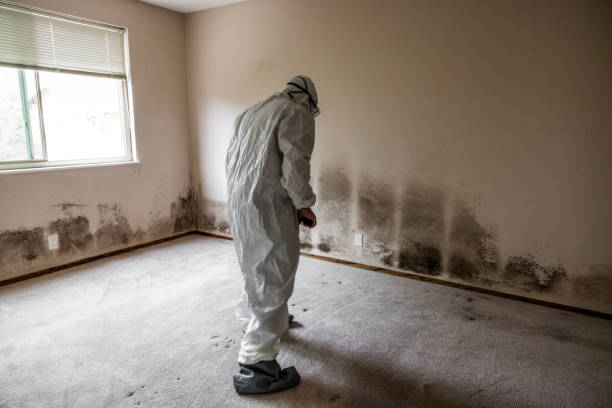
Mold growth is a common issue in many households, particularly in areas with high humidity. By effectively managing indoor humidity levels, you can significantly reduce the chances of mold forming and spreading. Implementing proper humidity control measures not only protects your home but also safeguards the health of its occupants.
Understanding Ideal Indoor Humidity Levels
| Condition | Humidity Percentage |
| Ideal Range | 30% – 50% |
| Risk of Mold | Above 60% |
Humidity levels above 60% create an environment conducive to mold growth. Monitoring and controlling these levels is a proactive step toward preventing potential issues.
Practical Ways to Control Humidity
- Use Dehumidifiers
Invest in a high-quality dehumidifier to remove excess moisture from the air. This is particularly useful for damp areas like basements or bathrooms. - Ventilation Matters
Ensure rooms prone to moisture (e.g., kitchens, bathrooms) are well-ventilated by installing exhaust fans or keeping windows open when possible. - Monitor with a Hygrometer
A hygrometer is an affordable tool that measures indoor humidity levels. Use it regularly to ensure conditions remain within the safe range. - Seal Gaps and Cracks
Inspect windows and doors for leaks that could allow moist outdoor air into your home. Weatherproofing these areas helps maintain stable indoor conditions.
Areas Prone to High Humidity
- Bathrooms: Showers and baths produce significant moisture.
- Kitchens: Cooking and boiling water release steam into the air.
- Basements: Poor ventilation often leads to damp conditions.
- Laundry Rooms: Drying clothes indoors can increase overall moisture content.
The Impact of Effective Humidity Control
- Reduces allergens such as dust mites, which thrive in humid environments.
- Protects furniture, wooden floors, and walls from warping or damage caused by excess moisture.
- Improves indoor air quality, reducing respiratory issues linked to mold spores.
By implementing these strategies consistently, you create an environment that discourages mold growth while improving overall living conditions for everyone in your household.
Why Poor Ventilation Contributes to Mold Growth
When a home lacks proper ventilation, excess moisture from activities like cooking, showering, or even breathing builds up indoors. High humidity levels combined with stagnant air provide the perfect conditions for mold spores to settle and grow on surfaces such as walls, ceilings, or furniture.
Key areas prone to poor ventilation include:
– Bathrooms without exhaust fans or other air circulation systems
– Kitchens where steam from cooking isn’t vented outside
– Attics with insufficient airflow
– Basements with limited windows or ventilation systems
Steps to Improve Ventilation for Mold Prevention
- Place exhaust fans in high-moisture areas like bathrooms and kitchens. Ensure they vent directly outside, not into attics or crawl spaces, to effectively remove humid air.
- Open windows whenever possible to encourage natural airflow. This is particularly effective on dry days when outdoor humidity levels are lower.
- Use dryers that vent externally rather than recycling moist air indoors. Similarly, ensure HVAC systems are properly maintained and equipped with clean filters.
- In enclosed spaces like basements or crawlspaces, adding vents improves airflow and reduces trapped moisture.
- Use fans strategically placed near open doors or windows to encourage the movement of fresh air from one room to another.
Table: Ventilation Solutions for Specific Areas
| Area | Common Issues | Suggested Solutions |
| Bathroom | High humidity after showers | Install exhaust fan; open window post-shower |
| Kitchen | Steam from cooking | Use range hood that vents outdoors |
| Bedroom | Stale air | Open windows periodically; place fans |
| Basement | Dampness & poor airflow | Add dehumidifier; ensure external vents are clear |
Benefits of Proper Ventilation
- Reduces Indoor Humidity: By consistently cycling out moist indoor air, you decrease the likelihood of mold spores settling and multiplying.
- Improves Air Quality: Fresh outdoor air dilutes pollutants like dust mites and allergens that exacerbate respiratory conditions.
- Prevent Structural Damage: Properly ventilated areas remain dry longer, protecting wooden beams, drywall, and insulation from rot caused by persistent dampness.
Final Notes on Maintaining a Well-Ventilated Home
- Monitor indoor humidity levels using a hygrometer; aim for 30%-50% relative humidity year-round.
- Consider energy-efficient whole-house ventilation systems if natural methods aren’t sufficient due to your climate conditions or home layout.
With consistent effort in maintaining proper ventilation throughout your home, you create an environment less conducive to harmful mold growth while promoting healthier living conditions overall.
The Importance of Mold Testing Lakeland, FL in Preventing Mold Growth Through Proper Ventilation
Proper ventilation is a cornerstone of maintaining a mold-free home. Without adequate airflow, moisture can accumulate in key areas of your home, creating an ideal environment for mold growth. By focusing on ventilation improvements, you can significantly reduce the risk of dangerous mold infestations.
Why Ventilation Matters for Mold Prevention
- Regulate indoor moisture levels.
- Prevent condensation on walls, ceilings, and windows.
- Eliminate stale air that may harbor excess humidity or even mold spores.
Areas in the Home Most Prone to Mold
| Room/Area | Common Sources of Moisture | Key Ventilation Tips |
| Bathroom | Showers, bathtubs, sinks | Install an exhaust fan; open windows after use. |
| Kitchen | Cooking steam, dishwashers | Use a range hood; ensure proper cross-ventilation. |
| Basement | Groundwater seepage, poor airflow | Install vents or dehumidifiers; seal cracks. |
| Laundry room | Washing machines | Keep dryer vents clean and functional. |
Practical Ventilation Strategies to Prevent Mold
- Install Exhaust Fans
Place fans in high-humidity areas such as the kitchen, bathroom, and laundry room to remove moist air quickly. - Use Ceiling Fans
Ceiling fans encourage consistent movement of indoor air across rooms. - Open Windows Regularly
Allow fresh air to circulate by opening windows whenever weather permits. - Utilize Air Vents
Ensure HVAC systems have properly functioning vents and ducts that distribute clean air efficiently. - Maintain Attic Ventilation
Attics often trap heat and moisture — use soffit vents or ridge vents to regulate airflow here. - Keep Furniture Away From Walls
Leave space between furniture and walls to promote better circulation within rooms.
Common Mistakes to Avoid
- Blocking Air Vents: Avoid covering HVAC vents with furniture or curtains as this restricts airflow.
- Ignoring Maintenance: Failing to clean fans or ducts regularly reduces their effectiveness.
- Not Addressing Underlying Issues: Ventilation alone won’t solve problems caused by leaks or structural damage contributing to moisture buildup.
The Long-Term Benefits of Proper Ventilation
By prioritizing proper ventilation practices in your home, you not only prevent mold growth but also improve indoor air quality overall. This leads to healthier living conditions while potentially saving money on costly repairs related to structural damage caused by unchecked mold infestations.
Taking proactive steps toward enhancing airflow ensures a safer and more comfortable living environment free from the risks associated with excess moisture and fungal growth patterns like mold development.
Top Tips for Choosing Lakeland Mold Removal Services to Prevent Future Mold Issues
Using a dehumidifier is one of the most effective ways to manage humidity levels and prevent mold growth in your home. Mold thrives in damp conditions, so controlling moisture is critical. Below, we explore essential tips for using a dehumidifier to keep your living space safe and mold-free.
Understand the Ideal Humidity Levels
- Recommended Humidity Range: Indoor humidity should ideally be between 30% and 50%. Levels above 60% can encourage mold development.
- Monitor Humidity Levels: Use a hygrometer, an inexpensive device, to measure the relative humidity in your home.
Choose the Right Dehumidifier
| Factor | Details |
| Room Size | Choose an appropriately sized unit for small spaces, such as bathrooms or closets, or larger ones for basements and open areas. |
| Capacity | Look for units measured in pints per day; higher capacity units remove more moisture quickly. |
| Energy Efficiency | Opt for energy-efficient models with certifications like ENERGY STAR® to save on utility costs. |
| Additional Features | Features such as built-in humidistats, auto-drain options, or programmable timers can enhance convenience and performance. |
Proper Placement of the Dehumidifier
- Place it in areas prone to excess moisture, such as basements, bathrooms, laundry rooms, or near water leaks.
- Ensure that there’s adequate airflow around the unit by keeping it at least 6–12 inches away from walls or furniture.
- Close windows and doors in spaces where the dehumidifier is being used to maintain consistent results.
Regular Maintenance of Your Dehumidifier
- Clean Filters: Clean or replace filters regularly (as recommended by the manufacturer) to ensure proper airflow.
- Empty Water Reservoirs: If not using an automatic drain feature, empty collected water frequently to prevent overflow.
- Inspect Coils: Dirt buildup on coils reduces efficiency; clean them periodically if needed.
- Check Hoses: For models with drainage hoses, inspect them for clogs or damage.
Combine Dehumidifiers with Other Strategies
- Improve ventilation—use exhaust fans in kitchens and bathrooms when cooking or showering.
- Repair leaks immediately—address roof leaks or plumbing issues promptly.
- Use waterproof materials—especially in areas prone to dampness like basements.
By integrating these strategies alongside properly using a dehumidifier, you can significantly reduce the chances of mold becoming a problem in your home.
Keeping moisture under control not only helps combat mold but also enhances indoor air quality and promotes overall well-being for all inhabitants of your living space.

Why Repairing Leaks Immediately is Critical for Mold Prevention
Water leaks, whether from pipes, roofs, or windows, are one of the most common contributors to mold growth in residential and commercial spaces. Mold thrives in damp and humid environments, and a single unrepaired leak can create the perfect conditions for its development. Addressing leaks promptly is not only essential for maintaining the structural integrity of your property but also vital for protecting health and preventing costly damage.
The Dangers of Ignoring Leaks
- Increased Moisture Levels: Even a slow drip introduces excess moisture into walls, floors, or ceilings. This trapped moisture promotes mold colonization.
- Structural Damage: Over time, water from leaks can degrade building materials like drywall, wood, and insulation—making them even more susceptible to mold.
- Health Risks: Prolonged exposure to mold spores can cause respiratory issues, allergic reactions, and other health problems.
Steps to Address Leaks Immediately
- Inspect your home thoroughly if you notice any signs of water damage such as discoloration on walls or ceilings.
- Common sources include plumbing fixtures (like sinks or toilets), roof damage (missing shingles or cracks), or window seals.
- For plumbing-related issues, shut off the water supply immediately until repairs are complete.
- Use temporary solutions like waterproof tape or sealants if necessary while waiting for professional help.
- Use fans and dehumidifiers to reduce moisture levels in areas impacted by leaks.
- Remove damp materials such as rugs or furniture that could harbor residual water.
- Replace water-damaged building components like drywall or wood once repairs are complete.
- Consider applying mold-resistant paint when refinishing affected surfaces.
Tools & Materials That Can Help Prevent Mold After Repairs
| Tool/Material | Purpose |
| Dehumidifier | Reduces indoor humidity levels effectively |
| Mold-resistant Drywall | Prevents mold colonization in high-risk areas |
| Leak Detector | Alerts you of hidden leaks early |
| Waterproof Sealant | Protects vulnerable surfaces from water |
Long-Term Impact of Immediate Leak Repair
Addressing leaks quickly helps avoid extensive repair costs by preventing secondary damage caused by prolonged exposure to moisture. Early intervention also means less likelihood of hazardous mold infestations developing in hard-to-reach spaces like wall cavities or beneath flooring. By prioritizing repairs at the first sign of trouble, homeowners ensure both a healthier indoor environment and better preservation of their property over time.
Tips for Effective Lakeland, FL Mold Removal Using Mold-Resistant Materials
Using mold-resistant materials is a proactive way to safeguard your home against the potential dangers of mold. These materials are designed to inhibit mold growth, making them an excellent choice for areas prone to high humidity or moisture exposure. Below, we’ll explore various types of mold-resistant materials, their benefits, and how you can incorporate them into your home for long-term protection.
Benefits of Mold-Resistant Materials
- Reduces the Risk of Health Issues: Mold-resistant materials help prevent the growth of harmful spores that can cause respiratory problems, allergies, and other health concerns.
- Cost-Effective in the Long Run: While these materials may cost more initially, they save money by reducing repair and replacement needs in the future.
- Improved Durability: Many mold-resistant options are more durable than standard alternatives, ensuring they last longer in challenging conditions.
- Enhanced Home Value: Homes equipped with mold-resistant features generally have higher market value due to lower maintenance needs.
1. Mold-Resistant Drywall
- Contains a non-organic core and a protective paperless layer that resists moisture.
- Best used in high-moisture areas like bathrooms, laundry rooms, and basements.
2. Mold-Inhibiting Paints
- Formulated with antimicrobial additives specifically designed to deter mold growth.
- Ideal for walls and ceilings in humid spaces.
3. Moisture-Resistant Insulation
- Options like closed-cell foam insulation resist water absorption while acting as an air barrier.
- Prevents condensation buildup inside walls.
4. Vinyl Flooring
- Unlike wood or carpet flooring, vinyl is highly water-resistant and easy to clean.
- Suitable for basements or kitchens where spills are more likely.
5. Mold-Resistant Caulk
- Designed with fungicides that prevent mildew from forming around windows, doors, or bathroom fixtures.
- Ideal for sealing cracks or gaps where water might seep through.
| Material Type | Ideal Use Location | Primary Benefit |
| Mold-resistant drywall | Bathrooms & basements | Prevents wall deterioration |
| Mold-inhibiting paint | Kitchens & ceilings | Adds a protective barrier |
| Moisture-resistant insulation | Attics & crawl spaces | Reduces condensation buildup |
| Vinyl flooring | Basements & kitchens | Highly resistant to water damage |
| Mold-resistant caulk | Bathrooms & windows | Seals gaps effectively |
Tips for Using Mold-Resistant Materials Effectively
- Choose the Right Products: Not all mold-resistant products offer the same level of protection; opt for high-quality brands with proven results.
- Proper Installation is Key: Even the best materials require proper installation techniques to maximize their effectiveness.
- Combine with Other Preventive Measures:
- Use ventilation systems like exhaust fans in humid areas.
- Maintain consistent humidity levels below 50% using dehumidifiers if necessary.
- Perform Regular Maintenance:
- Inspect vulnerable areas periodically for signs of wear or damage (e.g., caulking around tubs).
- Reapply mold-inhibiting paint every few years as needed.
Additional Considerations
While using mold-resistant materials can significantly reduce your risk of dealing with dangerous spores, they should not be relied upon as standalone solutions. Pairing these materials with good household practices—such as addressing leaks promptly and ensuring adequate ventilation—will create a comprehensive defense against moisture problems over time.
By incorporating these durable and effective products into your home design or renovation plans, you can achieve long-term protection against harmful molds while maintaining a healthier living environment overall.
Keeping Your Home Clean and Dry to Avoid Dangerous Mold Formation
Preventing mold growth in your home is not only about aesthetics but also about maintaining a healthy living environment. Mold thrives in damp, humid conditions, and once it takes hold, it can rapidly spread, affecting air quality and potentially leading to respiratory problems or allergic reactions. By keeping your home clean and dry, you can significantly reduce the chances of mold formation. Below are practical steps and strategies to help you maintain a mold-free living space.
Regular Cleaning Practices
Cleaning regularly not only keeps your space tidy but also eliminates potential sources of mold growth. Focus on areas where moisture tends to accumulate.
- Dust frequently: Dust can trap moisture, creating an ideal environment for mold spores.
- Vacuum with a HEPA filter: This helps remove mold spores from carpets or upholstery.
- Disinfect high-moisture areas: Use mold-killing solutions for kitchens, bathrooms, or other damp spaces.
- Wash fabrics regularly: Items like curtains, towels, and bath mats should be cleaned to prevent moisture buildup.
Addressing High-Moisture Areas
- Use a squeegee to wipe down shower walls after use.
- Leave the bathroom door or window open for better airflow after bathing.
- Wash shower curtains frequently or opt for mold-resistant liners.
- Wipe down countertops and sinks daily after use.
- Check under sinks for leaks or excess condensation around plumbing fixtures.
- Ensure these spaces are well-ventilated.
- Use silica gel packs or dehumidifiers if necessary.
Control Indoor Humidity Levels
Keeping the relative humidity level in your home between 30%–50% will discourage mold growth effectively.
| Humidity Level | Action Needed |
| Above 50% | Use a dehumidifier or improve ventilation |
| Below 30% | Adjust settings on humidifiers (if used) |
Use a hygrometer (a device that measures humidity) to track indoor levels accurately.
Quick Tips for Drying Damp Areas
- Dry wet carpets immediately using fans or portable heaters.
- Hang wet clothes outdoors instead of indoors.
- Fix overflowing sinks or faulty appliances immediately.
Preventative Maintenance Checklist
| Task | Frequency |
| Inspect plumbing for leaks | Monthly |
| Clean gutters/drainpipes | Every 3 months |
| Check windows/doors for drafts | Annually |
By following these best practices consistently, you can create an environment that minimizes the risk of mold development while promoting overall health within your home.
- Effective Lakeland, FL Mold Removal Tips to Prevent Mold Growth in Your Home
- Effective Humidity Control Tips from a Mold Removal Company Lakeland, FL
- Effective Tips for Lakeland, FL Mold Removal and Preventing Regrowth
- Effective Lakeland, FL Mold Removal: Causes and Prevention in Your Home
- Effective Solutions from a Mold Removal Company in Lakeland, FL to Address Mold in Your Home
- 5 Essential Tips from a Mold Removal Company in Lakeland, FL for Preventing and Dealing with Household Mold Growth
- When to Call a Mold Removal Company Lakeland, FL and Why It’s Crucial for Your Home
- Essential Factors to Consider for Effective Lakeland, FL Mold Removal Services and Reviews
- The Importance of Hiring an IICRC Certified Company for Lakeland, FL Mold Removal